Iran-Israel Strikes: Scale of 'Epic Fury' and Hormuz Strait Impact
The Middle East has once again been gripped by a seismic escalation, as a series of intense bombardement Iran Israël strikes have redefined the regional conflict landscape. What began as targeted retaliation rapidly spiraled into an operation described by Israeli military leadership as being of "a completely different scale" than previous encounters. This recent flare-up, which some analysts are dubbing the "12-Day War," brought with it the chilling moniker of "Epic Fury" and sent ripples of uncertainty across global markets, particularly concerning the vital Hormuz Strait.
On February 28th, the world watched as a coordinated military operation, reportedly involving both the United States and Israel, launched a barrage of attacks on Iran. Images quickly authenticated and geolocated by reputable sources like Le Monde, depicting strikes on power centers in Tehran and other strategic sites, flooded social media. This wasn't merely a limited exchange; it triggered a swift and equally devastating Iranian riposte, targeting American bases in the region, allied interests, and Israel itself. The sheer intensity and breadth of these exchanges signify a dangerous new chapter, pushing the region closer to a broader conflagration than ever before.
The Unprecedented Scale of 'Epic Fury' and the '12-Day War'
The term "Epic Fury" is not just a dramatic designation; it reflects the true scope and intensity of the recent military actions. Unlike the more contained skirmishes of the past, this operation saw a concerted effort to strike deep within enemy territory, demonstrating advanced military capabilities and a willingness to escalate. The Chief of Staff of the Israeli forces underlined this point, stating the operation was of "a whole other scale" than what had been witnessed in June, hinting at pre-planned, multi-faceted objectives.
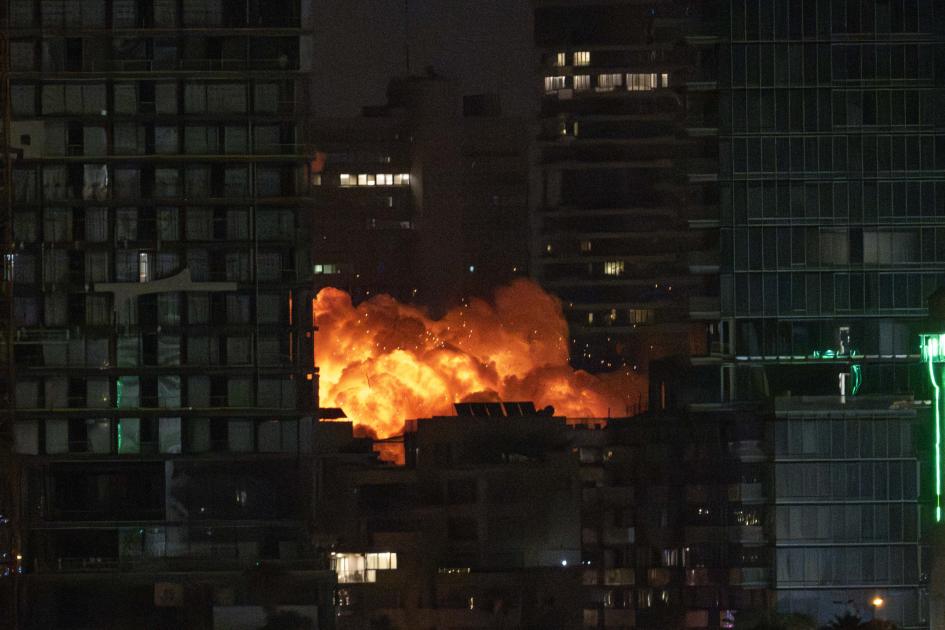
Visual evidence, including authenticated footage, painted a stark picture of the devastation. In Iran, the state television building was reportedly engulfed in flames following an Israeli strike, symbolizing a direct assault on the nation's propaganda and communication infrastructure. Concurrently, images from Ramat Gan in Israel showed residential buildings reduced to rubble by incoming Iranian missiles, underscoring the indiscriminate nature of the retaliatory strikes and the immediate threat to civilian populations.
The "12-Day War" moniker emerged from the sustained period of intense exchanges. This phase saw not only Israeli and reported US bombardments of Iranian strategic assets but also a comprehensive Iranian response. This counter-offensive included launching missiles towards American military installations in the wider region, signaling Iran's capacity and willingness to engage multiple adversaries simultaneously. The intricate dance of attack and counter-attack highlights a dangerous erosion of red lines and an increased risk of miscalculation that could draw in more regional and international actors. The precise coordination and targeting suggest an intelligence-driven campaign, aiming to degrade military capabilities and political will on both sides.
The Hormuz Strait: A Flashpoint in Global Geopolitics
Amidst the escalating military actions, one statement from the Iranian Revolutionary Guard Corps (IRGC) sent immediate shockwaves around the globe: the declaration that the Strait of Hormuz was "de facto closed." This narrow waterway, connecting the Persian Gulf with the Arabian Sea, is arguably the world's most critical oil transit choke point. Annually, approximately one-fifth of the world's total oil consumption, along with significant volumes of liquefied natural gas (LNG), passes through this strait.
The implications of such a closure, even if temporary or partial, are catastrophic for the global economy. Oil prices would skyrocket, causing immediate inflationary pressures worldwide. International shipping, already grappling with various geopolitical risks, would face unprecedented disruption, leading to massive supply chain issues for a myriad of goods. For nations heavily reliant on Middle Eastern energy imports, such as many in Asia and Europe, the threat represents an existential crisis.
While the IRGC's statement served as a potent warning and a tool of strategic leverage during the bombardement Iran Israël, the actual enforcement of a "de facto closed" status is complex and fraught with peril. It could entail a range of actions, from naval blockades and threats to commercial vessels to direct attacks on tankers. Any such move would undoubtedly provoke a forceful international response, likely involving major naval powers committed to ensuring the freedom of navigation. The presence of the U.S. Fifth Fleet in the region, along with other international maritime forces, serves as a deterrent against any full-scale closure. However, even the *threat* of closure creates immense volatility and forces global markets to price in extreme risk.
Practical Tip: Businesses with operations relying on Middle East shipping lanes or global oil prices should develop robust contingency plans. This includes diversifying supply chains, hedging against commodity price fluctuations, and constantly monitoring geopolitical developments and maritime advisories from international organizations.
Rumors, Rhetoric, and the Call for Regime Change
Adding another layer of complexity and volatility to an already fraught situation were the extraordinary statements made by former US President Donald Trump. Trump publicly asserted that information regarding the death of Iran's Supreme Leader, Ali Khamenei, "seems correct" and cited "signs" indicating he might have been killed. Such pronouncements from a figure of his stature, even if out of office, carry significant weight and can further destabilize an already tense environment. However, these claims were swiftly and unequivocally refuted by Iran's Foreign Minister, who assured the world that the Supreme Leader and other high officials were alive and well.
These unsubstantiated rumors, disseminated during an active military conflict, highlight the dangerous role of information warfare and the potential for misdirection in high-stakes confrontations. They can sow internal discord, fuel external speculation, and complicate any diplomatic efforts towards de-escalation.
Compounding this rhetoric, Trump also used the moment to issue a fervent call for regime change in Iran. In an address, he directly appealed to the Iranian people, declaring, "To the great and proud people of Iran, I say tonight that the hour of your freedom has arrived... When we are finished, take control of your government. It will be yours to take." Such explicit calls for popular uprising during a period of intense military bombardement Iran Israël can be viewed as an attempt to leverage external pressure to achieve internal political objectives. This kind of rhetoric, while galvanizing for some, is often seen by the targeted regime as an act of profound aggression, hardening their resolve and making peaceful resolution more challenging.
Amidst these alarming developments, the Pentagon provided a crucial piece of information: at that stage, there were no American casualties in the Iranian retaliation. This detail, though seemingly minor, is significant as it potentially limits the immediate pressure on the US to further escalate its direct military involvement in response to Iranian strikes. For a deeper dive into the interplay of these rumors and calls for political upheaval, consider reading our related analysis: Iran-Israel: Khamenei Death Rumors & Trump's Call for Regime Change.
Navigating the Escalation: Implications and Future Outlook
The recent "Epic Fury" strikes and the subsequent "12-Day War" represent a dangerous inflection point in the decades-long shadow conflict between Iran and Israel. The scale, targets, and rhetoric surrounding these events suggest a departure from established norms of engagement, pushing the region towards uncharted territory. The direct targeting of critical infrastructure and civilian areas, coupled with explicit threats to vital international waterways like the Hormuz Strait, raises the stakes for all involved parties and the international community.
The implications extend far beyond the immediate combatants. Regional stability is profoundly jeopardized, with potential ripple effects across the Levant, the Arabian Peninsula, and beyond. Allies and proxies on both sides could be drawn into a wider conflict, turning local hotspots into regional battlegrounds. The delicate balance of power, alliances, and security arrangements in the Middle East hangs precariously. The risk of miscalculation, fueled by heightened tensions and the rapid flow of information (and misinformation), is exceptionally high. Each strike, each retaliatory action, brings the region closer to a full-blown war that could have global repercussions.
Analysis and Insights:
- De-escalation Imperative: The immediate priority for international diplomacy is de-escalation. Channels of communication, even indirect ones, must be opened and maintained to prevent further escalation.
- Economic Resilience: Nations and corporations must assess their resilience to shocks in global energy markets and supply chains, preparing for potential prolonged instability.
- Information Vigilance: In a conflict saturated with propaganda and misinformation, relying on authenticated, credible sources is paramount for both policymakers and the public.
- Regional Dialogue: A sustainable resolution requires a broader regional dialogue that addresses the underlying security concerns of all stakeholders, moving beyond short-term military responses.
In conclusion, the recent bombardement Iran Israël demonstrated a terrifying escalation of military engagement and rhetorical confrontation. The operation, dubbed "Epic Fury," showcased an unprecedented scale of strikes and counter-strikes, with significant implications for both national infrastructure and civilian populations. The explicit threat to the Hormuz Strait, a global economic artery, underscores the far-reaching consequences of this conflict, impacting energy prices and global trade. Coupled with inflammatory rumors and calls for regime change, the situation in the Middle East remains critically volatile, demanding urgent and concerted international efforts to prevent a wider, more devastating regional war.